Can Wax-Based Barrier Coatings Be Recyclable?
Industry News
Can Wax-Based Barrier Coatings Be Recyclable?
May 27, 2026
Barrier coatings are a standard component of paper and corrugated packaging. They protect products from moisture, grease, and vapor, requirements that span everything from fresh produce boxes to foodservice packaging. But for packaging engineers and procurement teams navigating recyclability commitments, the coating choice carries weight beyond performance. The question that comes up consistently: can wax-based barrier coatings actually be recyclable?
The short answer is yes, but not unconditionally. The answer depends on coating type, composition, and how the coated substrate performs in a real recycling stream. This post breaks down the technical distinctions that determine recyclability, clarifies what terms like “repulpable” actually mean in practice, and outlines what packaging teams should be evaluating when sourcing barrier coatings.
The Role of Barrier Coatings in Paper and Corrugated Packaging
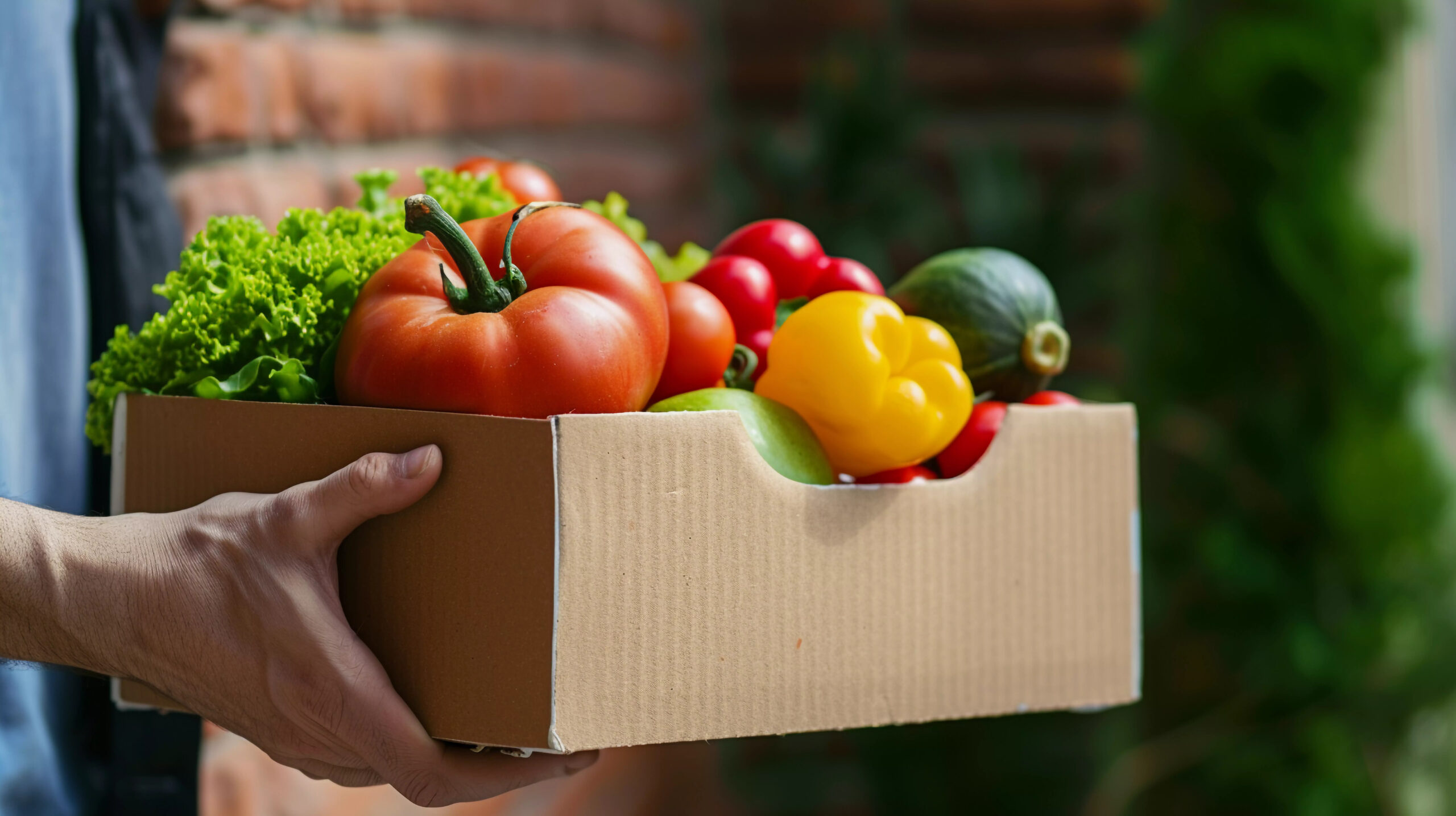
Paper-based substrates, such as corrugated boxes, boxboard, cup stock, and fiberboard, are valued for their recyclability and renewability. The problem is that paper alone offers limited protection against moisture, oils, and water vapor. Barrier coatings close that gap by applying a functional layer to the substrate surface that controls what passes through it.
The specific performance requirements vary by application. Corrugated boxes used for fresh produce or refrigerated goods need moisture resistance. Foodservice packaging requires oil and grease resistance. Industrial liners may need vapor transmission control. In each case, the coating is what makes the substrate functional for its intended use.
This is where the tension arises. Adding a barrier layer to paper improves performance but can interfere with what happens to that substrate at the end of its life. Recyclability and barrier performance have historically pulled in opposite directions, and the coating technology selected is the primary variable that determines how that trade-off resolves.
What Do “Repulpable” and “Recyclable” Actually Mean?
These terms are often used interchangeably, but they describe different things, and the distinction matters when evaluating coating options.
Repulpability refers to a coated substrate’s ability to be broken down in a standard hydrapulper — the primary mechanical equipment used in paper mill fiber recovery — without contaminating the resulting pulp. A repulpable coating disperses or separates cleanly during the repulping process, leaving the fiber available for recovery.
Recyclability describes the broader end-of-life outcome: whether a material can be collected, sorted, and processed through existing recycling infrastructure. A coating can be technically repulpable in a mill setting and still face practical recyclability barriers if local collection programs exclude coated board, or if the material is misidentified during sortation.
The two are related but not equivalent. When evaluating a coating for sustainable packaging applications, repulpability is the baseline technical requirement. Recyclability depends on repulpability plus compatibility with the collection and processing infrastructure that handles the material after use.
Why Conventional Wax Coatings Complicate Recycling
Traditional wax-coated corrugated and wax-impregnated boards have a documented recycling problem. The problem emerges specifically when wax-impregnated board enters a paper mill’s repulping process.
Conventional wax coatings, particularly those applied through curtain coating or wax impregnation, penetrate deep into the substrate. During repulping, the wax does not disperse cleanly. Instead, it forms agglomerates, commonly called “wax balls” or “stickies”, that deposit on mill equipment, reduce fiber recovery efficiency, and contaminate the pulp. The result is a substrate that most paper mills are not equipped to process without disruption to operations.
Industry guidance reflects this directly. According to the American Forest and Paper Association (AF&PA) and the Fibre Box Association, wax-coated corrugated is specifically excluded from standard OCC (old corrugated containers) recycling streams. The practical consequence is that wax-impregnated board typically ends up in a landfill, even when broader recycling infrastructure is in place.
This is the baseline problem that alternative coating technologies have been developed to address.
Water-Based Emulsions as a Recyclable Alternative
Water-based wax emulsions represent a fundamentally different approach. Rather than impregnating the substrate with wax, water-based emulsions are applied to the surface. The coating sits at or near the substrate surface and forms a functional barrier through film formation as the emulsion dries, rather than through deep wax penetration into the board structure.
This difference in application method determines the recycling outcome. When a substrate coated with a water-based emulsion enters a hydrapulper, the coating disperses rather than agglomerating. The fiber separates cleanly, and the pulp can be recovered without the contamination issues associated with conventional wax-impregnated structures.
On the performance side, well-formulated water-based emulsions can meet demanding barrier requirements. Products in this category are engineered to deliver moisture resistance, oil and grease resistance, and vapor transmission control across common paper and corrugated substrates. The performance gap between water-based emulsions and conventional wax coatings has narrowed considerably as formulation technology has advanced.
Several suppliers have developed water-based emulsions specifically to meet documented repulpability standards and to align with recycling program requirements such as How2Recycle. That program alignment matters because certification against defined program criteria adds the verification layer that packaging teams and brand owners increasingly require from their supply chain.
Key Factors That Determine Whether a Barrier Coating Is Recyclable
For technical buyers and packaging engineers, recyclability claims require scrutiny. The factors below provide a practical framework for evaluation:
Coating Type and Composition
The distinction between wax-impregnated board, surface-applied water-based emulsions, and polyethylene (PE) lamination represents three different end-of-life profiles. PE lamination introduces a separate material stream and is generally not repulpable in standard paper mill configurations. Wax impregnation creates the contamination issues described above. Surface-applied water-based emulsions are the most viable path to repulpability for most mill configurations.
Add-On Rate and Penetration Depth
Even within surface-applied coatings, the amount applied and the extent of penetration into the substrate affect repulpability outcomes. Higher add-on rates and deeper penetration increase the risk of contamination during repulping. Technical data sheets should specify application parameters, and suppliers should be able to provide guidance on optimal add-on rates for recyclable applications.
Documentation and Testing Standards
Repulpability outcomes vary depending on mill configurations and test conditions, as TAPPI test method T 205 and related protocols provide a standardized framework, but compatibility can vary by mill. Recycling programs such as How2Recycle evaluate packaging components against defined criteria before granting certification. Third-party test results and documented mill compatibility carry substantially more weight than unsubstantiated product claims.
The Recyclable Wax Coating Decision: What Packaging Teams Should Know
Recyclability is achievable with wax-based barrier coatings, but it requires the right coating technology and documented evidence to support the claim. Not all wax-based coatings carry the same environmental profile, and the distinction between coating types has real consequences for how a substrate performs at end of life.
Water-based emulsions are the most established technology for combining barrier performance with repulpability in paper and corrugated packaging. Their surface-applied structure avoids the wax contamination problems associated with conventional impregnated coatings, and leading formulations are developed with recycling program compatibility in mind.
Evaluating a coating means going beyond product claims to documented test data, TAPPI-based repulpability assessments, and confirmed mill compatibility. Packaging teams sourcing wax-based barrier coatings for recyclable applications should work with a wax supplier who can provide full technical documentation, formulation guidance, and support for program certification requirements.
IGI Wax’s water-based emulsions include products formulated for recyclable and repulpable packaging applications. The Enviro-Coatings line covers moisture, vapor, and oil and grease barrier needs across paper and corrugated substrates, with products including Vapor-Guard®, Aquaban®, and Barrier-Grip®. These coatings are designed to support sustainability initiatives without compromising the barrier performance the substrate requires.


