Petroleum Waxes for Industrial, Packaging, and Specialty Applications
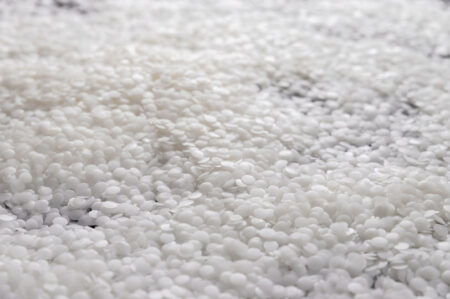
Petroleum waxes are refined hydrocarbon-based materials derived from crude oil processing. Depending on the refining method and degree of purification, they range from soft, pliable forms with high oil content to hard, fully refined grades with precise melting points and low impurities, each suited to different performance requirements.
IGI offers a comprehensive range of petroleum-derived waxes, including paraffin wax, microcrystalline wax, and slack wax to clients across multiple industries. Engineered for reliability, consistency, and regulatory compliance, our waxes are designed to meet the critical performance and quality standards of industrial, packaging, food, and specialty sectors. Each petroleum wax grade is supported by transparent technical data and the insight of a knowledgeable engineering team.
How Petroleum Waxes Are Produced and What Determines Their Properties
Petroleum waxes are derived from crude oil through a series of refining stages. The process begins during vacuum distillation, when heavy hydrocarbon fractions are separated from crude oil. These fractions are then processed through solvent dewaxing, which isolates the waxy components from the lubricating oil base stocks. The resulting material, known as slack wax, contains varying levels of residual oil and serves as the feedstock for further refining.
From there, additional processing steps, including hydrotreating, deoiling, and filtration, determine the final grade. Fully refined paraffin waxes undergo more extensive processing to reduce oil content and achieve a consistent, white appearance. Microcrystalline waxes, derived from heavier distillate fractions, retain a finer crystal structure and higher molecular weight, which gives them distinct physical properties compared to paraffin grades.
Several key characteristics vary across petroleum wax types and directly influence their suitability for a given application:
- Melt point: Measured in °C or °F, melt point determines thermal stability and processing temperature requirements. Higher melt point grades are typically used in industrial coatings and applications requiring heat resistance.
- Oil content: The percentage of residual oil affects flexibility, tackiness, and surface finish. Slack waxes carry higher oil content, while fully refined grades are formulated to minimize it.
- Crystal structure: Paraffin waxes form larger, more defined crystals; microcrystalline waxes have a finer, more amorphous structure that contributes to greater flexibility and adhesion.
- Hardness and viscosity: These properties affect how a wax performs during processing and in the final application, whether as a coating, additive, or base material.
Understanding these variables is the starting point for selecting the right petroleum wax grade for your process and performance requirements.
Technical Overview of Petroleum Wax Grades
IGI’s petroleum waxes are refined and fractionated to deliver the required physical and chemical properties necessary for an array of applications.
Paraffin Waxes
Our paraffin waxes are characterized by high crystallinity, clarity, and controllable melting points, making them the ideal wax for packaging products, candles, and more. Many are also FDA-approved for use in food coatings.
Microcrystalline Waxes
Microcrystalline wax offers higher flexibility, adhesion, and oil retention than other wax types. Our microcrystalline waxes are ideally suited for cosmetics, adhesives, rubbers, and electrical applications.
Slack Waxes
Slack wax finds use as an intermediate or base material for industrial lubricants, protective coatings, and formulation extenders.
Bespoke Wax Blends
All IGI wax grades are available in multiple melting points, oil content levels, and color specifications, allowing engineers to select the precise raw materials to meet their processing and finished product requirements.
Applications and Industry Solutions
IGI petroleum waxes are relied on by engineers and manufacturers in numerous industries including:
Candles and Decorative Products
The high purity and consistent burn profiles of our waxes make them ideal for both mass-production and specialty candle making
Food Packaging & Coatings
Many of our waxes are available in FDA-compliant grades for direct and indirect contact with food products.
Rubber and Tire Compounding
Enjoy improved processing, easier release, and anti-block properties with waxes engineered for use in the rubber and tire industries.
Cosmetics and Personal Care
Our cosmetics-grade waxes offer a flexible barrier, improved texture, and greater stability for a range of makeup, skincare, and personal care products.
Adhesives, Sealants and Inks
High-purity wax provides the controlled viscosity, glossy appearance, and adhesion modification required in the production of inks, sealants, adhesives, and other coatings.
Industrial Lubricants, Polishes, and Electrical Insulation
The right petroleum wax can enhance water resistance and dielectric performance across a range of electrical and industrial applications.
Custom wax grades and blends are available to meet non-standard applications or emerging regulatory requirements.
How to Specify or Request a Custom Petroleum Wax
For process-specific demands such as tailored melting points, bespoke oil content, or compliance to food-grade or pharmaceutical standards, IGI’s technical team provides:
Spec Matching
Submit your process or product specifications and our industrial wax engineers will recommend or match a grade for your requirements.
Custom Blending
We can create proprietary blends, modify melting points or oil content, and engineer your wax for specific physical properties as needed.
Sample Shipment
To ensure your custom wax is right for your needs, we offer fast delivery of technical samples for your lab or production trials.
Full Documentation
Absolute transparency is important to us. That’s why TIS, SDS, CoA, and regulatory certifications are provided with every order.
Quality Assurance and Technical Compliance Made Easy
Every IGI petroleum wax shipment is batch tested for core physical properties and verified for its compliance with international and industry-specific regulations (including REACH, FDA, and Kosher.)
Certificates of analysis, technical data, and regulatory documentation are supplied as standard with every order. IGI also maintains traceability for every batch to support process audits, root cause investigations, and certification needs.
Frequently Asked Technical Questions
Q: What is the difference between paraffin, microcrystalline, and slack wax?
A: Paraffin wax is highly crystalline and transparent, and is used for clarity, barrier, and melt-point control. Microcrystalline wax is more flexible, adhesive, and oil-retentive, making it ideal for formulations needing enhanced elasticity or texture. Slack wax is a less refined intermediate wax typically used as a base or for blending.
Q: Are IGI petroleum waxes food or pharma grade?
A: Select IGI paraffin and microcrystalline wax grades are FDA-compliant for direct or indirect food contact. Some of our petroleum waxes are also pharmaceutical grade. Always specify the intended use and request regulatory documentation for food or pharmaceutical applications before ordering.
Q: Can you match a competitor’s wax or develop a custom blend?
A: Yes. Please provide a target specification or competitor data sheet and our expert IGI engineers will match, formulate, or improve upon the reference to create a bespoke wax for your needs.
Q: How do you ensure product quality and batch-to-batch consistency?
A: Every batch of IGI petroleum wax is tested for melting point, oil content, color, and penetration, with full traceability assured and COA/SDS documentation retained and supplied with every order.
Q: What formats and packaging options are available?
A: All our waxes are available as standard slabs or in pelletized, bagged, or bulk formats. Packaging can also be customized for line compatibility or storage needs. Please reach out to the team to discuss your requirements.
Q: What are the types of petroleum wax?
A: Petroleum wax types refer to the range of wax materials derived from crude oil refining, each with distinct properties and applications. The main types are paraffin wax, microcrystalline wax, and slack wax. Paraffin wax is highly crystalline and used in packaging, candles, and food coatings. Microcrystalline wax has a finer crystal structure and is valued for its flexibility and adhesion in cosmetics, adhesives, and rubber applications. Slack wax is a less refined intermediate grade commonly used as a base material or blending component in industrial formulations.
Q: Is paraffin wax a petroleum product?
A: Yes. Paraffin wax is a petroleum product derived from crude oil refining. It is separated from lubricating oil base stocks through a process called solvent dewaxing and then further refined to achieve the purity, melt point, and color specifications required for industrial, food-contact, and specialty applications.
Q: What is the minimum order quantity for petroleum wax grades?
A: Minimum order quantities vary by grade and format. Bulk liquid orders have different thresholds than slab or pelletized formats. Contact our team with your required grade and packaging preference, and we will confirm availability and MOQ for your specific needs.
Q: How should petroleum waxes be stored to maintain their properties?
A: Petroleum waxes should be stored in a cool, dry environment away from direct heat sources and open flame. Solid grades should be kept in their original packaging until use to prevent contamination. Specific storage conditions, including recommended temperature ranges, are outlined in the SDS provided with every order.
Q: Can petroleum waxes be used in combination with natural or plant-derived waxes?
A: Yes. Petroleum waxes are frequently blended with natural waxes to achieve specific performance targets, such as adjusting melt point, improving flexibility, or modifying texture. IGI’s blending capabilities enable formulations that combine petroleum- and plant-derived wax components to meet both technical and sustainability requirements.
Work With IGI’s Petroleum Wax Specialists
Whether you are qualifying materials, running process trials, troubleshooting an application, or scaling up production, IGI’s engineering team is available to support your process from initial specification through full-volume supply.
Our petroleum waxes are backed by comprehensive technical documentation, including CoA, SDS, and regulatory certifications, supplied as standard with every order. Samples are available for lab and production trials, and our technical team can provide application consultation to help you select or develop the right grade for your requirements.
As experienced petroleum wax manufacturers, we work with clients across industries to match, develop, and scale formulations that meet precise technical and regulatory requirements. Contact the team to submit your specifications or request a sample.


