Waxes for Cosmetics and Personal Care
Wax and Petrolatum for Cosmetics and Personal Care
Waxes and petrolatums are functional materials in cosmetic and personal care formulations. They build structure in solid products, bind and hold oil to prevent phase separation, create emollient barriers on skin, and define the texture and application characteristics of a finished formula.
At IGI, we supply microcrystalline waxes, USP-grade petrolatums, paraffin waxes, and plant-derived waxes to personal care formulators and cosmetic manufacturers across North America, Europe, and Asia. Our product line covers the grades most commonly used in lip care, skin protectants, color cosmetics, OTC topicals, and natural formulations, with custom blending available when standard grades don’t match your specifications.
Strahl and Pitsch
Strahl and Pitsch

Applications in Cosmetics and Personal Care
Wax and petrolatum are structurally and functionally critical ingredients across a broad range of personal care products. Depending on the application, they contribute differently:
- Lip care (balms, lipsticks, lip liners): Wax provides the solid backbone of the formula, holds liquid oil in suspension, and controls the melt behavior and application feel of the finished stick.
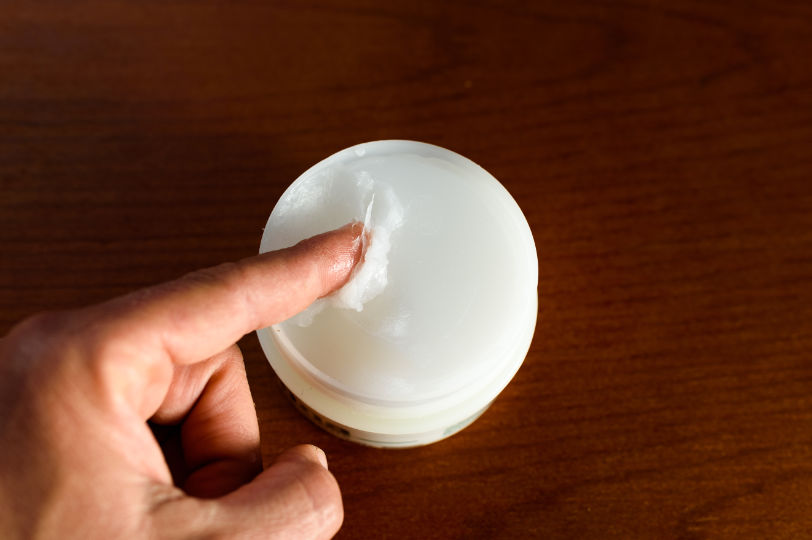
- Skin protectants and barrier products (ointments, barrier creams, hand creams): Petrolatum and microcrystalline wax build viscosity, emolliency, and occlusive barrier properties, reducing transepidermal water loss.
- Color cosmetics (mascaras, foundation sticks, concealer, eye shadow): Wax sets and holds pigment, controls texture, and helps the formula maintain form across a range of temperatures.
- OTC topicals (medicated balms, first aid ointments, skin protectants): These applications typically require pharmacopoeial-grade materials, such as USP petrolatum, to meet regulatory requirements.
- Natural and vegan formulations: Plant-derived waxes provide structure, melt point control, and emolliency in formulas where petrolatum or animal-derived ingredients are not appropriate.
Products by Application
Color cosmetics, along with lip and skin care, share the need for a wax system tailored to the product’s specific performance and regulatory requirements. Below is how our product line maps to the most common cosmetic applications.
Lip Care and Lipsticks
Microcrystalline wax is the most widely used structural wax in modern lip care. Its fine crystal structure provides greater flexibility than paraffin while holding significantly more oil—a critical property in balm and lipstick formulas where oil separation, or “sweating,” during storage is a common issue. Our MICROSERE® microcrystalline waxes include Type 1 cosmetic grades tailored to meet the melting point and hardness requirements of lip care products.
For formulators developing natural or vegan product lines, carnauba and candelilla waxes offer high-performance alternatives. Carnauba wax is the firmer option and raises heat resistance in stick formulations. Meanwhile, candelilla wax serves as a common plant-based alternative to beeswax, imparting a smooth, glossy finish to lipsticks.
Creams, Hair Styling and More
Paraffin wax plays a vital role across a broad spectrum of cosmetic and personal care formulations. Its primary functions include enhancing shine, building structural firmness, and providing emollient properties, with each quality leveraged to meet specific product needs.
In lip care and color cosmetics, paraffin adds surface gloss and stability to lipsticks, balms, and stick foundations. In cream formulations, it acts as an emollient and texture modifier. Anhydrous cleansing creams, cold creams, and rich skin protectants all rely on paraffin as a foundational structural component.
Hair styling products, including pomades and solid brilliantines, combine paraffin with petrolatum to achieve optimal hold and shine. Deodorants and antiperspirant sticks incorporate paraffin into their formulations, while solid perfumes use it as a carrier matrix to release fragrance evenly upon application to the skin.
IGI paraffin waxes are available in various melting points and can be supplied in bulk liquid, slab, granule, or pastille form. Most grades comply with FDA regulations under 21 CFR 178.3710.
Skin Protectants and Barrier Formulations
Our PETAX® petrolatums are manufactured to U.S. Pharmacopeia (USP) standards, ensuring suitability for OTC skin protectants, medicated ointments, lip formulations, and other topical products requiring pharmacopoeial compliance.
- PETAX® 0386A: Medium consistency, with cone penetration 200 dmm. Suitable for general-purpose cosmetic and OTC petrolatum applications.
- PETAX® 0201A: Medium-hard consistency. Provides an economical solution for applications that do not strictly require higher-tier USP or NF grades.
Custom petrolatum blends are available for formulators who need specific melt points, penetration values, or sensory characteristics not covered by standard grades.
Why Work with IGI
At IGI, we work with formulators to match the right material to the end product’s performance, processing, and compliance requirements.
- Regulatory documentation: We provide Safety Data Sheets (SDS), Technical Data Sheets (TDS), and Certificates of Analysis (CoA) for all products.
- Custom blending: Where standard grades don’t fit your formulation, we can develop custom wax blends with specific melt points, hardness values, oil content, and color.
- Supply reliability: IGI operates multiple North American facilities with an integrated supply chain from refining through distribution.
- Format flexibility: Microcrystalline waxes are available in bulk liquid, granule, pellet, and slab forms.
- Technical support: Our team can advise on grade selection, compatibility with other formula components, and relevant regulatory considerations for cosmetic applications.
FAQs About Waxes for Cosmetics and Personal Care
What wax is best for lip balm?
Microcrystalline wax is the standard choice for lip balm formulations. It offers better flexibility and oil retention than paraffin, which helps prevent oil bleeding during storage. Our MICROSERE® Type 1 cosmetic grades are suited to this application. For natural or vegan lip balms, carnauba and candelilla waxes are the most common alternatives.
Can you supply cosmetic-grade microcrystalline wax?
Yes. Our MICROSERE® product line includes cosmetic-grade waxes. Contact our technical team to confirm which specific grades are appropriate for your application and to request documentation.
What regulatory documentation can you provide?
We supply SDS, TDS, and CoA for our products. For USP-grade materials, documentation reflects pharmacopoeial specifications. Contact us for documentation specific to the grade you are evaluating.
Can IGI develop a custom blend for my formulation?
Yes. We offer custom blending for petrolatums and microcrystalline waxes, with adjustments to melt point, hardness, oil content, and color. Reach out to our technical team to discuss your requirements.


