What Is the Difference Between Fully Refined and Semi-Refined Paraffin Wax?
Industry News
What Is the Difference Between Fully Refined and Semi-Refined Paraffin Wax?
Apr 23, 2026
Paraffin wax is a category of petroleum-derived waxes available in different refinement grades, each with distinct properties, performance characteristics, and compliance profiles. The difference between fully refined and semi-refined paraffin wax comes down primarily to how extensively the raw material has been processed, and that processing level has direct consequences for oil content, appearance, odor, and suitability for regulated applications.
This post explains what distinguishes the two grades, how their properties compare, where each is typically used, and what to evaluate when choosing between them.
What Is Fully Refined Paraffin Wax?
Both grades start from the same feedstock: slack wax, a byproduct of lubricating oil refining that typically contains between 5% and 30% residual oil. From slack wax, the processing paths for each grade diverge in their depth and extent.
- If you’re new to petroleum wax terminology, IGI’s wax basics resource covers the key material types and how they relate to one another.
Fully refined paraffin wax undergoes the most thorough processing sequence. After an initial dewaxing step to reduce bulk oil content, the wax goes through solvent deoiling to bring residual oil down to 0.5% or below. This is followed by hydrofinishing — a catalytic process that reacts the wax with hydrogen at elevated temperature and pressure to remove sulfur compounds, color bodies, and other impurities — and in some cases, clay filtration for additional color and odor removal. The result is a white to translucent, essentially odorless material with tight, consistent specifications.
That purity profile is what makes fully refined grades the standard for food-contact applications. Grades that meet the ultraviolet absorbance limits specified under FDA 21 CFR 178.3710 are authorized for use in food-contact packaging and coatings. Compliance is not automatic and must be confirmed against each grade’s documentation, but fully refined is the starting point for any application where regulatory status is a requirement. The low oil content also means the wax does not bleed or stain adjacent surfaces under normal conditions, which is relevant in packaging, cosmetics, and candle applications, where a clean surface finish is part of the product specification.
What Is Semi-Refined Paraffin Wax?
Semi-refined paraffin wax goes through a similar sequence of steps — dewaxing, deoiling, and in some cases partial hydrotreating — but each stage is less extensive. The deoiling step is the key difference: it is not pushed to the same endpoint, leaving a residual oil content that typically falls between 0.5% and 1.5%, though specific grades may vary depending on source crude and processing conditions.
That retained oil content contributes to greater flexibility and workability compared to fully refined grades, which is why semi-refined wax performs well in applications that benefit from some pliability — rubber compounding, board sizing, industrial coatings, and certain corrugated paper treatments among them. The oil also helps wet fibers and improve adhesion in some substrate coating applications.
The tradeoff is in appearance and odor. Semi-refined wax presents a yellowish tint and a more detectable petroleum-like odor, both attributable to residual impurities that remain after less extensive processing. For industrial applications where neither is a concern, this is acceptable. For consumer-facing products or applications where sensory properties affect end-product quality, it typically is not.
Semi-refined grades are priced lower than fully refined wax, reflecting the reduced processing involved. At high volumes, that cost difference can be significant.
What Is the Difference Between Fully Refined and Semi-Refined Paraffin Wax?
The practical differences between the two grades fall across four dimensions.
Oil content is the most defining variable and the one most commonly used to distinguish the grades in supplier specifications. Fully refined wax sits at or below 0.5% residual oil. Semi-refined grades generally fall in the 0.5-1.5% range. Higher oil content affects surface finish, flexibility, bleed behavior, and the risk of staining in coated or packaged goods.
Color and odor are the most immediately apparent differences. Fully refined wax is white to translucent and carries minimal odor. Semi-refined wax presents a yellowish tint and a noticeable petroleum smell. In applications where the wax is visible, skin-adjacent, or used in enclosed environments such as candles or food packaging, those differences directly affect product quality.
Melt point and thermal behavior are influenced by the level of refinement. Higher residual oil content in semi-refined grades tends to reduce overall hardness and can affect processing behavior at elevated temperatures. Fully refined grades generally offer more predictable thermal behavior within a given grade specification, which matters when processing windows are narrow.
Regulatory compliance is grade-specific and must always be confirmed with the supplier. Fully refined grades are the ones most commonly formulated and documented to meet FDA 21 CFR 178.3710 for food-contact applications. Semi-refined grades are not typically positioned for regulated food-contact or cosmetic use, though suitability depends on the specific grade and its supporting documentation.
Fully Refined vs. Semi-Refined Paraffin Wax: Property Comparison
| Property | Fully Refined | Semi-Refined |
|---|---|---|
| Oil content | ≤0.5% | ~0.5-1.5% (varies by grade) |
| Color | White to translucent | Yellowish |
| Odor | Minimal to none | Mild to moderate |
| Hardness | Hard, brittle | Softer, more flexible |
| Melt point stability | Tightly controlled per grade | May vary more within grade |
| Regulatory compliance | Commonly FDA 21 CFR 178.3710 compliant (confirm per grade) | Not typically positioned for regulated use; confirm per grade |
| Typical cost | Higher | Lower |
What Are the Typical Applications of Each Grade?
Fully refined paraffin wax is the appropriate choice when purity, appearance, odor, or compliance are requirements. Common applications include food-contact packaging and coatings, cosmetics and personal care products such as lip balms and creams, premium candles requiring high clarity and low odor, pharmaceutical-adjacent uses, and paper coatings where surface cleanliness is critical. IGI‘s IGI 1230A, for example, is a fully refined paraffin wax documented as compliant with FDA 21 CFR 178.3710 and suited for food-contact applications.
Semi-refined paraffin wax is well-suited to industrial and functional applications where appearance and odor tolerances are broader. These include board sizing and industrial paper coatings, rubber compounding, match manufacturing, and protective industrial coatings. The higher oil content in semi-refined grades can be a functional advantage in applications that benefit from added flexibility or improved fiber wetting.
In some cases, such as certain industrial coatings, lower-sensitivity packaging, and wax blends, either grade may be technically suitable depending on the tolerance band specified. When that is uncertain, requesting samples and reviewing the CoA against application requirements is the most reliable path to grade confirmation.
How Do You Choose Between Fully Refined and Semi-Refined Paraffin Wax?
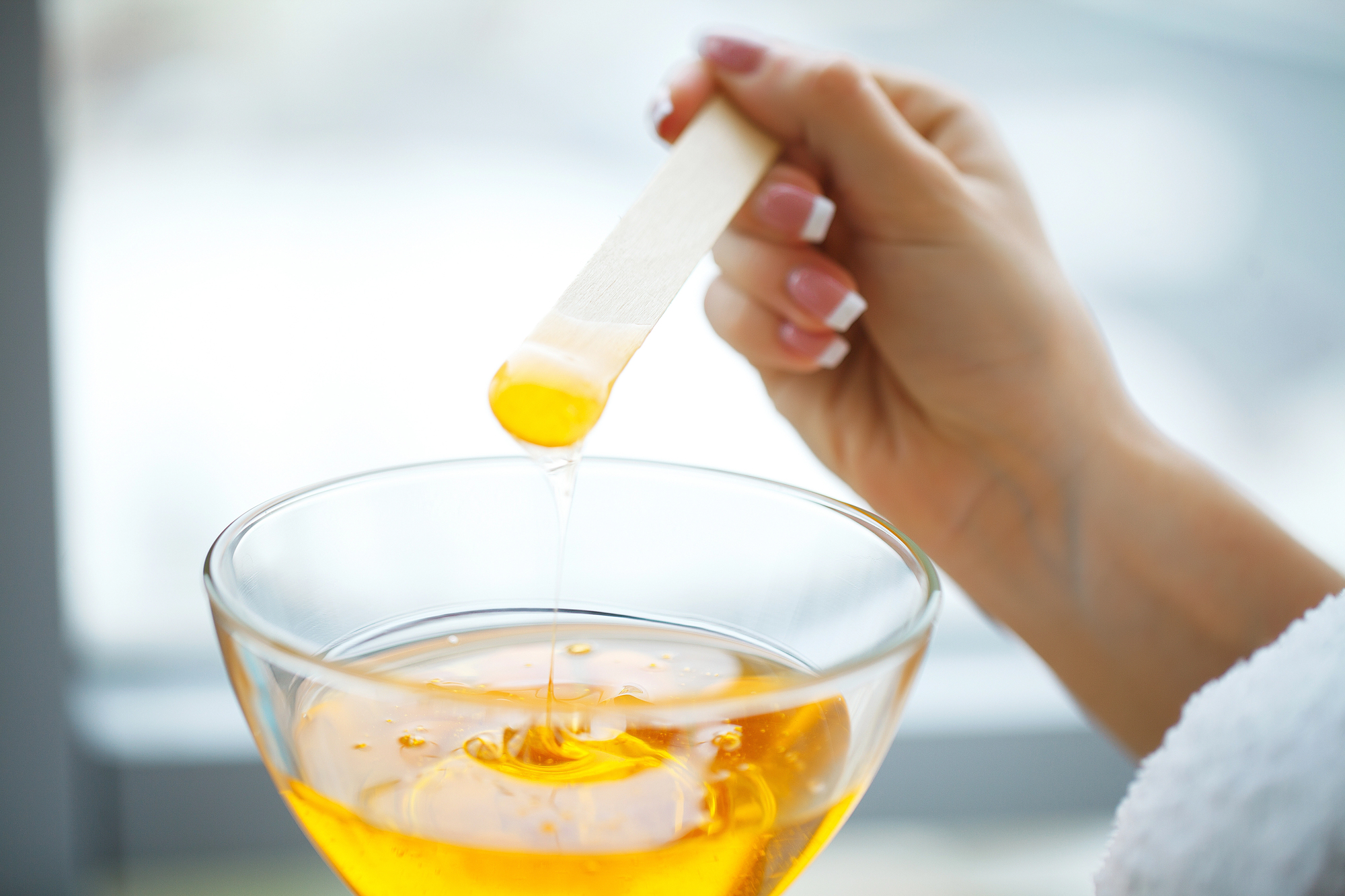
The selection decision comes down to four criteria.
Oil content requirement. Define the maximum acceptable oil content for your application. If the spec calls for ≤0.5%, only fully refined grades apply. If 0.5-1.5% is within tolerance, semi-refined grades become viable options.
Regulatory and compliance obligations. Any application involving food contact, cosmetic use, or pharmaceutical-adjacent use requires a grade with documented compliance. Request the SDS, TDS, and CoA, and confirm FDA or other regulatory status with the supplier before specifying a grade.
Color and odor tolerance. If the end product is consumer-facing or involves skin contact, fully refined is the practical default. Industrial applications with no sensory requirements have more flexibility.
Cost vs. performance tradeoff. Semi-refined grades carry a lower price point due to reduced processing. For high-volume industrial applications where purity is not a constraint, that cost difference can be meaningful at scale. For applications where a compliance failure or contamination risk would be costly, the premium for fully refined grades is justified.
When selecting a new grade or transitioning between grades, request specification sheets and sample material before committing. A side-by-side evaluation against your process parameters is the most reliable way to confirm fitness for purpose.
Paraffin Wax Grade Selection: Questions Worth Answering First
Is fully refined paraffin wax food safe?
Fully refined grades that meet the UV absorbance limits specified under FDA 21 CFR 178.3710 are authorized for use in food-contact applications, including packaging, coatings, and certain direct-contact uses. Compliance is not automatic. It must be confirmed against the specific grade’s documentation.
Can semi-refined paraffin wax be used in cosmetics?
Generally, no, at least not without careful review. Cosmetic applications typically require low oil content, minimal odor, and documented purity, which semi-refined grades do not reliably provide. Fully refined grades with appropriate regulatory documentation are the standard for cosmetic formulations. Confirm compliance status with the supplier before specifying any grade for a personal care application.
What is the oil content of fully refined vs. semi-refined paraffin wax?
Fully refined paraffin wax typically has an oil content at or below 0.5%. Semi-refined grades generally fall in the 0.5–1.5% range, though specific grades may vary. Always verify oil content against the Certificate of Analysis for the grade being evaluated.
Is fully refined paraffin wax more expensive than semi-refined?
Yes, in most cases. The additional processing steps required to produce fully refined grades, such as extended deoiling, hydrofinishing, and filtration, add cost. For applications with strict purity or compliance requirements, that cost difference is the price of specification certainty.
Choosing the Grade That Fits Your Process
The difference between fully refined and semi-refined paraffin wax is a question of fit for the application. Fully refined grades offer tighter purity, lower oil content, better sensory properties, and a clearer path to regulatory compliance. Semi-refined grades offer cost efficiency, useful flexibility, and adequate performance for a wide range of industrial uses where those tradeoffs are acceptable.
Neither grade is universally superior. The right choice depends on what your process requires: the oil content your formulation can tolerate, the compliance documentation your application demands, and the sensory and surface properties your end product must deliver.
IGI Wax offers a range of paraffin wax grades across refinement levels, with full technical documentation available for each. If you are working through a grade selection decision, contact IGI to discuss your application requirements with their technical team.


